


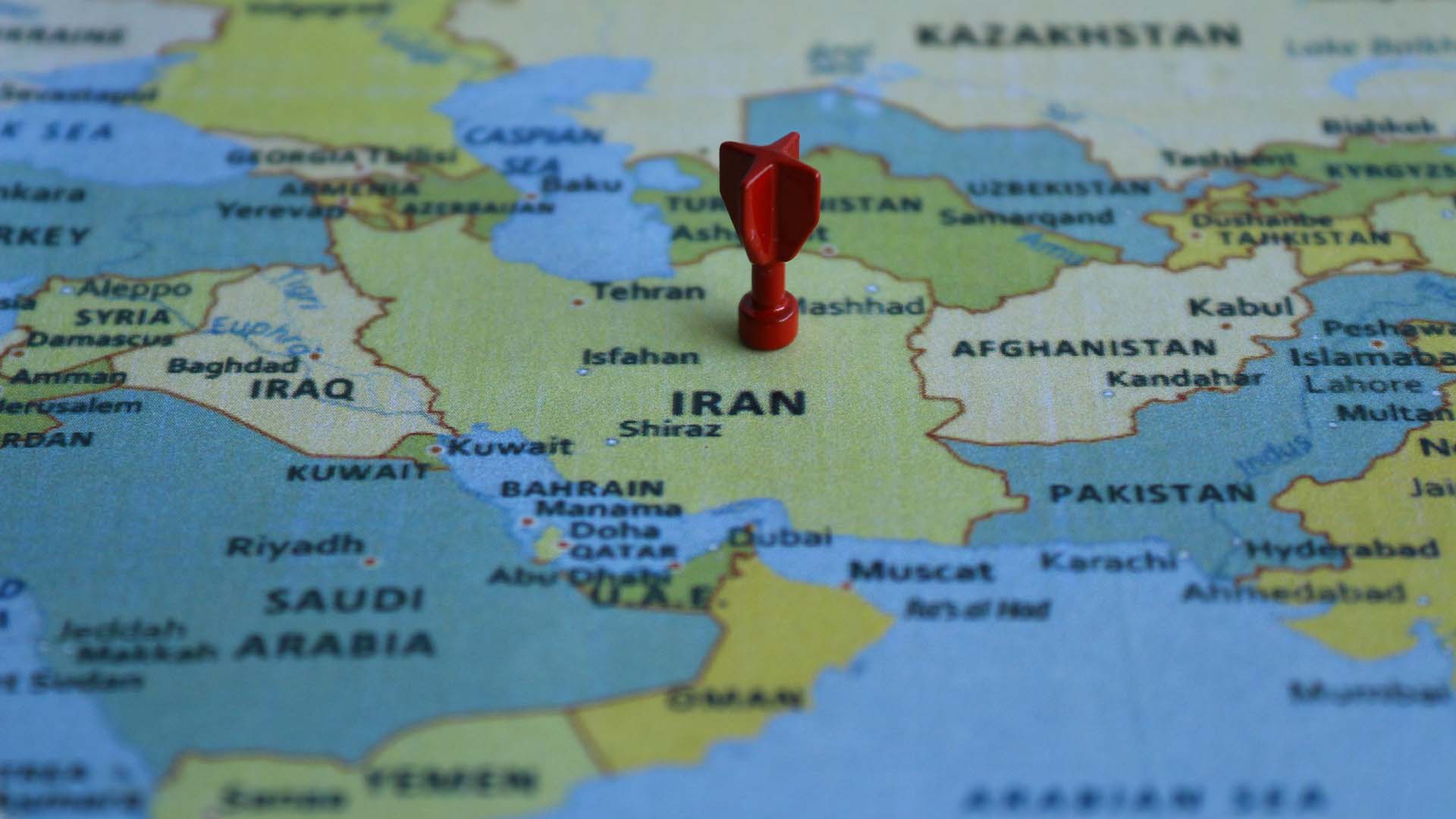

Escalating conflict in the Middle East is threatening Brazilian exports of corn and meat while raising concerns over fertilizer supplies, exposing the country’s agribusiness sector to disruptions in one of its most important trade corridors.
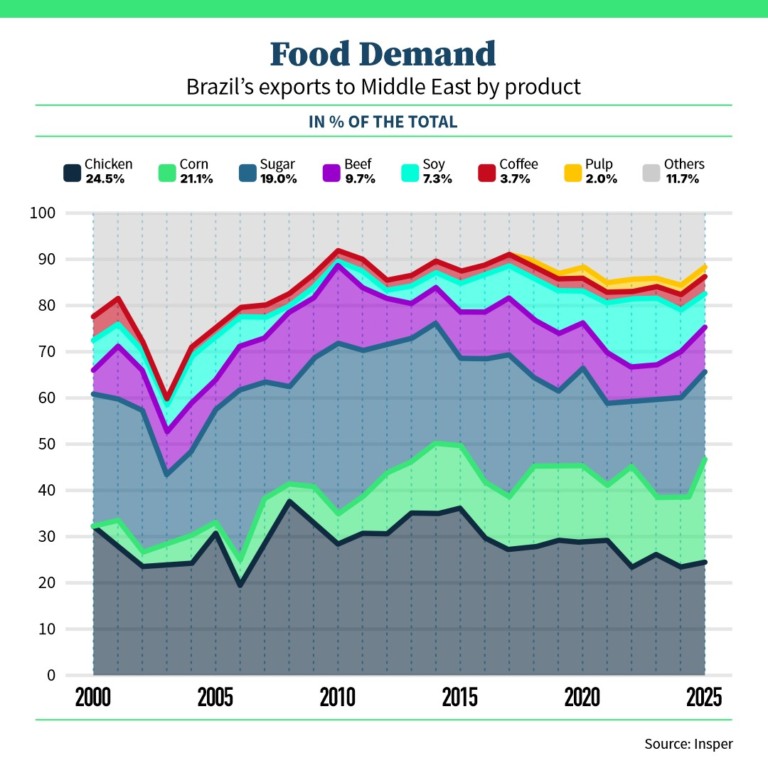
The Strait of Hormuz — between Iran and Oman — has been closed for about a week, affecting shipments that include roughly 60,000 metric tons of Brazilian chicken per month, according to Ricardo Santin, president of the Brazilian Animal Protein Association, or ABPA. The Middle East accounts for about 30% of Brazil’s poultry exports.
Shipping companies have suspended new container bookings for cargo bound for or transiting through the region, interrupting trade flows in the short term. Shipowners are also charging war-risk surcharges of as much as $4,000 per container, according to the Brazilian Beef Exporters Association, known as Abiec.
Some beef cargoes already at sea are waiting for authorization to dock at regional ports, the group said. Exporters may also face demurrage charges as vessels wait for unload.
Access to the region has improved slightly in recent days. Some companies have been able to reroute cargo through the Red Sea, and ports in Oman have started accepting new shipping schedules, Santin said.
Still, higher insurance premiums and longer shipping routes are expected to increase logistics costs across the supply chain, researchers at Insper Global Agro said in a report. The added expenses could squeeze margins for a sector already facing higher borrowing costs and tighter financing conditions.
Countries such as Jordan and the United Arab Emirates depend heavily on Brazilian poultry, with Brazil supplying about 91% and 70% of their imports respectively, according to ABPA.
Fertilizers
The conflict is also raising concerns about fertilizer supplies. About 45% of global urea exports move through routes linked to the Persian Gulf.
Iran and other regional producers — including Qatar, Saudi Arabia, Oman and the United Arab Emirates — supplied about 36% of Brazil’s urea imports in 2025.
“The closure of the Strait of Hormuz is critical for Brazil when it comes to urea,” said Bruno Fonseca, a senior fertilizers analyst at Rabobank.
Prices have been rising. Granular urea climbed to between $500 and $550 per metric ton last week, up from about $475 to $485 in late February, according to consultancy Argus.
The impact may take time to materialize because many shipments are scheduled to arrive in Brazil only between May and June. Fertilizers for this year’s second corn crop have already been purchased, but only about 30% of inputs for next year’s crop have been secured, according to Itaú BBA.
Farmers now face a dilemma between buying early to avoid supply disruptions or waiting for potentially better prices, the bank said.
Corn
The Middle East and North Africa accounted for about 31.5% of Brazil’s corn exports last year, according to AgRural analyst Daniele Siqueira. Iran alone represented about 23% of shipments.
Brazil’s corn sector now faces more volatile demand and greater exposure to geopolitical risk, she said.
More than 80% of Brazil’s corn exports typically occur in the second half of the year, meaning the full impact of the conflict is still uncertain.
Meat
Between 10% and 15% of Brazil’s beef exports go directly to the Middle East. However, up to 40% of shipments by some companies pass through the region on their way to Asia, leaving them exposed to disruptions in the Strait of Hormuz, according to Abiec.
“If the conflict persists, the sector could face disruptions in export flows and reduced industrial production,” the group said.
Chicken exporters face similar risks.
“What we experienced in a week is manageable,” Santin said. “The main concern is how long the conflict lasts.”
Sugar
The Middle East accounted for about 17% of Brazil’s sugar exports in 2025.
For now, shipments are only directly at risk in Dubai, whose imports typically pass through the Strait of Hormuz, said Plínio Nastari, founder of consultancy Datagro.
Some vessels carrying Brazilian sugar have been stopping at nearby ports and completing the journey overland to destinations closer to the conflict zone, traders say. The additional costs are being passed on to buyers.


